
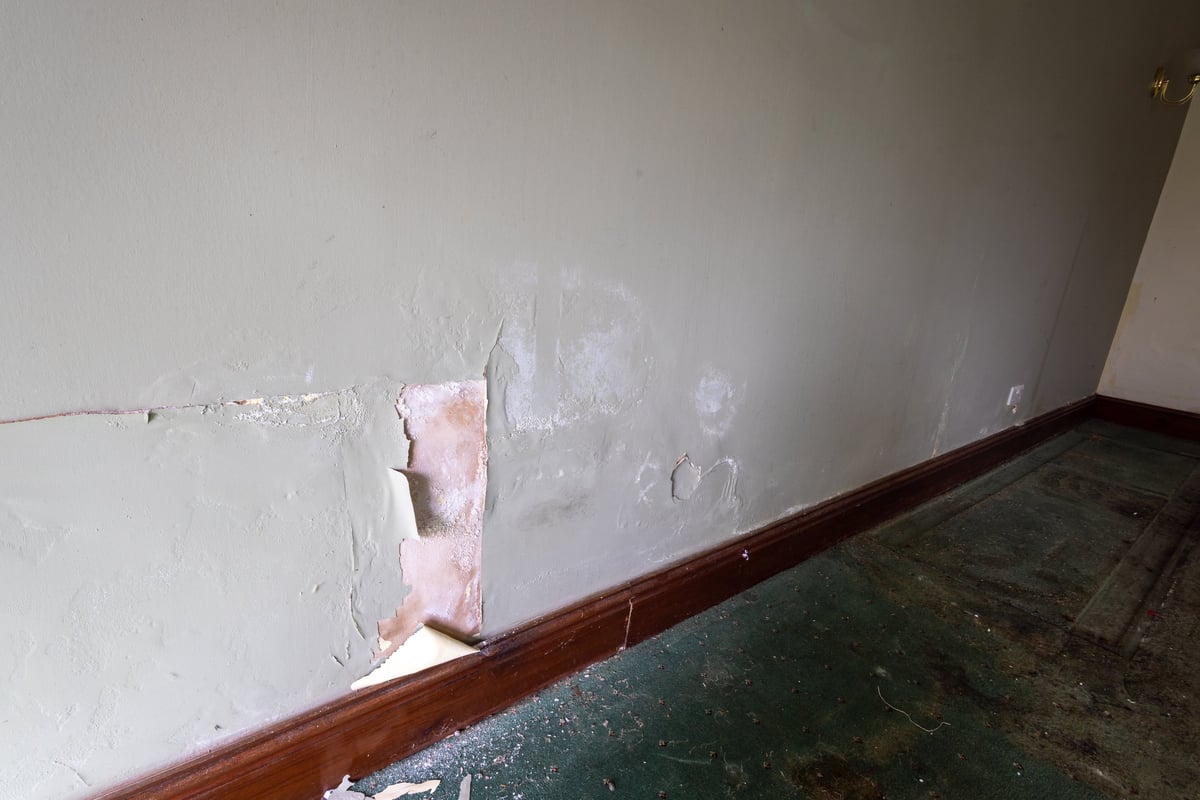
Our public adjusting services focus on documenting the loss, preparing supporting information, and communicating with the insurer under a written agreement. A flood claim requires attention to the water source, the affected property, and the coverage purchased.
Review the flood policy
Standard homeowners policies generally exclude flood damage. Coverage may come from the National Flood Insurance Program, known as the NFIP, or a private flood insurer. A claim must be reviewed under the policy in force when the loss occurred.
Building coverage and contents coverage may be purchased separately and can have separate deductibles. The building policy does not automatically cover all belongings inside. We help identify which records relate to each part of the coverage and what further information is needed.
Document the water and affected areas
Once authorities say access is safe, photographs and notes can help explain the loss. Record the date, visible water levels, affected rooms, and damage to building materials. Include details about urgent cleanup or protection work.
Records may include:
- Photos showing water lines and affected materials.
- Lists of damaged belongings, stock, or equipment.
- Purchase records, model numbers, and item descriptions.
- Cleanup invoices and contractor findings.
- Correspondence from the flood insurer and its adjuster.
Do not enter unsafe water or damaged structures to collect evidence. Ask the insurer how to document items that must be removed for health or safety reasons.
Understand important coverage limits
NFIP policies provide limited coverage for basements and certain lower areas. They also exclude additional living expenses and business interruption losses. A private flood policy may have different terms, so expenses should not be assumed covered simply because they followed a flood.
For a business, separate records for the building, inventory, and equipment can help explain the physical loss. Lost income requires a review of any coverage that might apply. We discuss these distinctions before treating an expense as part of the claim.
Keep track of claim requirements
Notify the flood insurer promptly and keep copies of every submission. Ask about proof of loss requirements, supporting documents, and deadlines. A proof of loss is a statement of the amount being claimed with required supporting information. Applicable requirements must be followed while questions are being discussed.
We help organize the claim information within our agreed role and address supported questions about the insurer's findings. Hiring an adjuster does not create coverage or guarantee additional payment.
Talk with Wheeler about your flood claim
Call 610-361-9704 or email info@wheeleradjustment.com. Tell us where the property is located, when flooding occurred, and whether you have an NFIP or private flood policy, if known.
We can discuss the records, proposed services, and fees before you decide whether to engage Wheeler for help with your claim.